If you’re planning to visit Christmas markets in Europe this year, in this video we’re sharing 15 things you need to know before you go. From what to expect, what to avoid, and helpful tips like how much you will realistically spend at the markets… Plus, in in tip #15, we will show you how we get the best nighttime photos and videos at the Christmas markets. These are the things we wish we knew earlier.
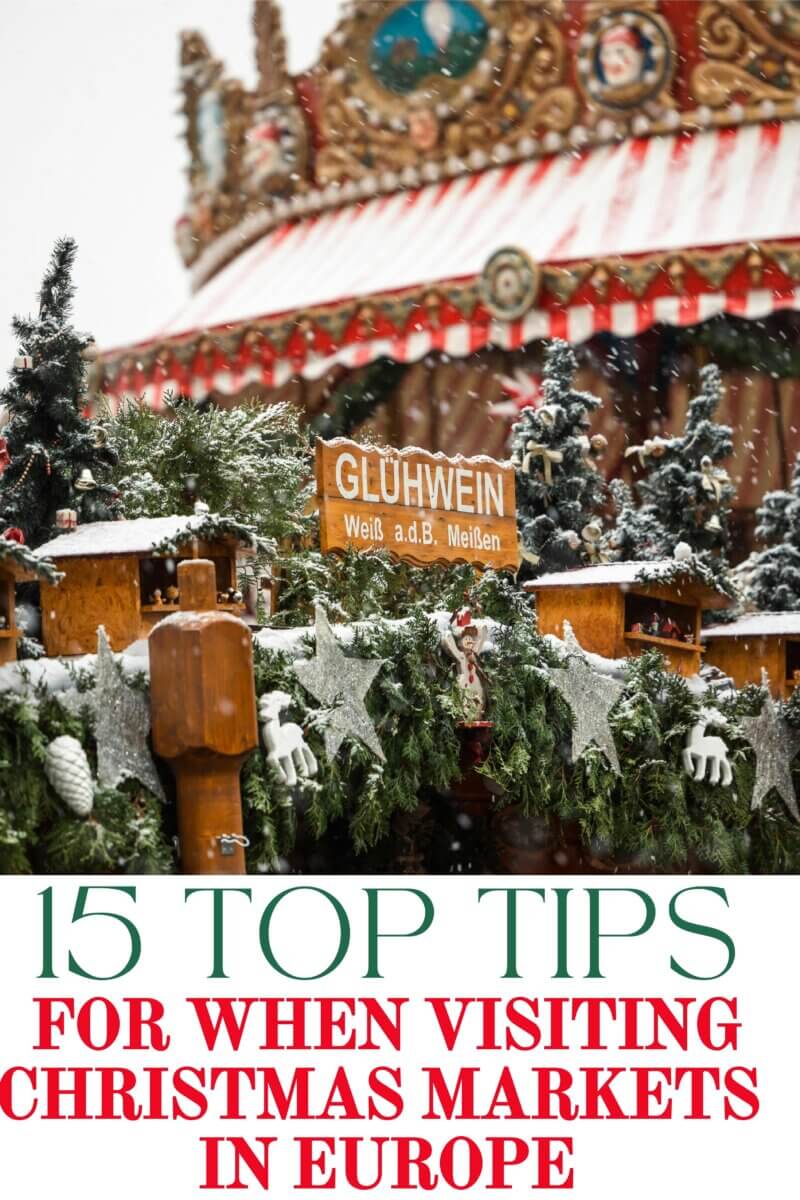
Top Europe Christmas Markets Tips
Tip 1: Dress warmly
It can get very cold at the Christmas markets since you’re outside the whole time, and in many places it even snows. We always suggest dressing in warm layers, but too many layers can feel bulky and uncomfortable when you’re walking around all day. Instead, invest in a good thermal base layer for both your top and bottoms.
Stretchy, fleece-lined ones are usually the warmest and most comfortable. Then, wear your regular clothes as your middle layer and a warm coat on top. For base layers, fleece or merino wool are the best materials, as they keep you warm even if they get a little damp.
Tip 2: Wear waterproof or snowproof clothing
Since it can snow and rain in Europe during winter, it’s really important to have a coat that keeps you dry so you don’t end up cold and uncomfortable. Even more importantly, make sure your shoes have good grip and won’t slip on snow or wet ground, and that they won’t soak through.
If your shoes aren’t waterproof, you can always use a waterproofing spray. Having the right footwear makes a huge difference. You’ll feel confident walking around in any conditions instead of worrying about slipping or falling all day. Make sure to wear comfortable shoes. You’ll be standing and walking a lot. Most Christmas markets don’t have seating, and the tables they do have are usually standing-only.
Tip 3: Take a small backpack for shopping
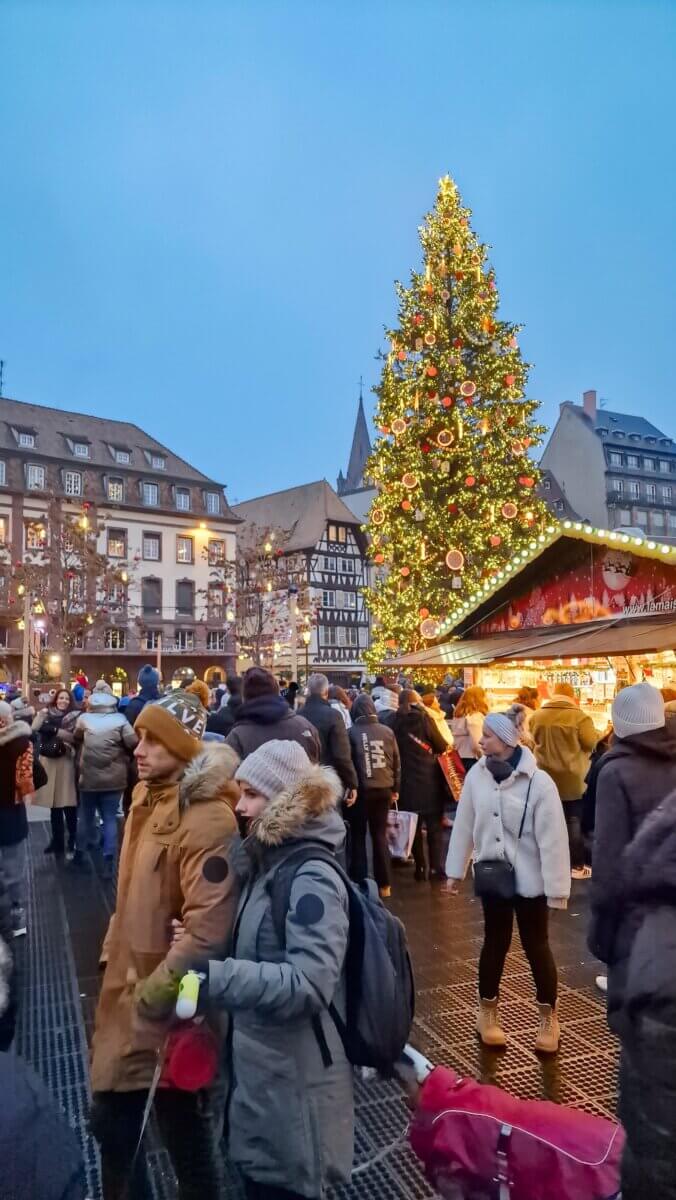
You’ll probably want to pick up a few souvenirs, Christmas ornaments or gifts during your trip. We love getting ornaments for our tree from each place we visit, and Christmas markets are full of stalls selling ornaments in many different styles, some even hand painted, handcrafted gifts and everything in between, all from local small businesses. Bring a small backpack so you can carry your purchases easily and avoid walking around with your hands full all day.
Tip 4: Use public transport
If you’re not within walking distance of the market you want to visit, we highly recommend taking public transport to avoid traffic and parking issues. During the holiday season (especially in bigger cities) parking can be a nightmare. Most European cities and towns have metros, trams, or buses that will get you there easily. And if you’re travelling by car, make sure to look up nearby parking lots ahead of time and have a few backup options in case the first one is full.
Tip 5: Try local food
A lot of Christmas markets share the same classics like mulled wine, hot chocolate, crêpes, and waffles, but most places also have local foods that are worth trying and you won’t find anywhere else. Think churros, German sausages, or potato pancakes with apple sauce in Germany and Switzerland, tartiflette in France, or hearty soups in Poland and Hungary like Zúrek or Goulash. Some markets even offer hot cider or hot beer, white or rosé mulled wine, and non-alcoholic punch for kids or anyone who doesn’t drink. In some markets, you’ll also see hot Aperol. It’s become pretty trendy.
It’s always worth doing a bit of research beforehand so you know what the local specialties are wherever you’re visiting. We also have a full video on our top Christmas markets in Europe for 2025 and the food you can try at each one, so definitely check that out after this.
Tip 6: Christmas markets aren’t cheap
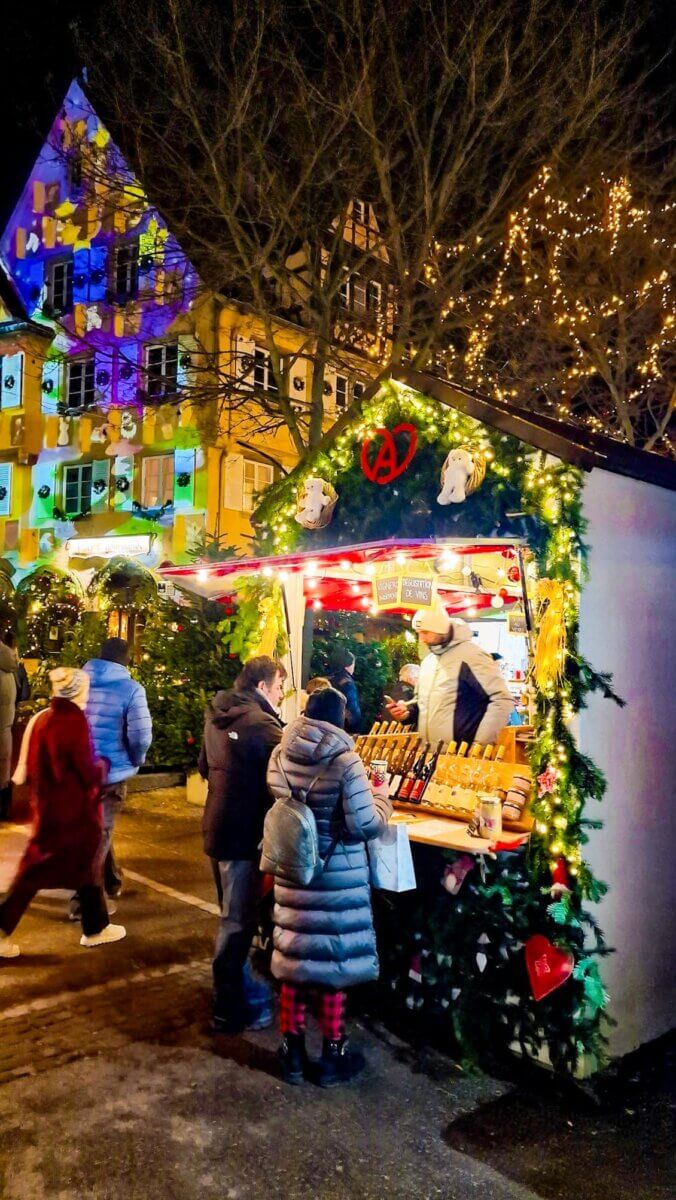
Many people assume that eating at Christmas markets is cheaper than dining in restaurants, but that’s usually not the case. Food can be quite pricey, so if you want a full meal, we suggest budgeting at least €30 per person per market, including drinks (but not including souvenirs). Always bring some cash, too. While most stalls accept card payments nowadays, some still only take cash, so it’s good to be prepared.
Tip 7: Collect souvenir mugs from the stalls
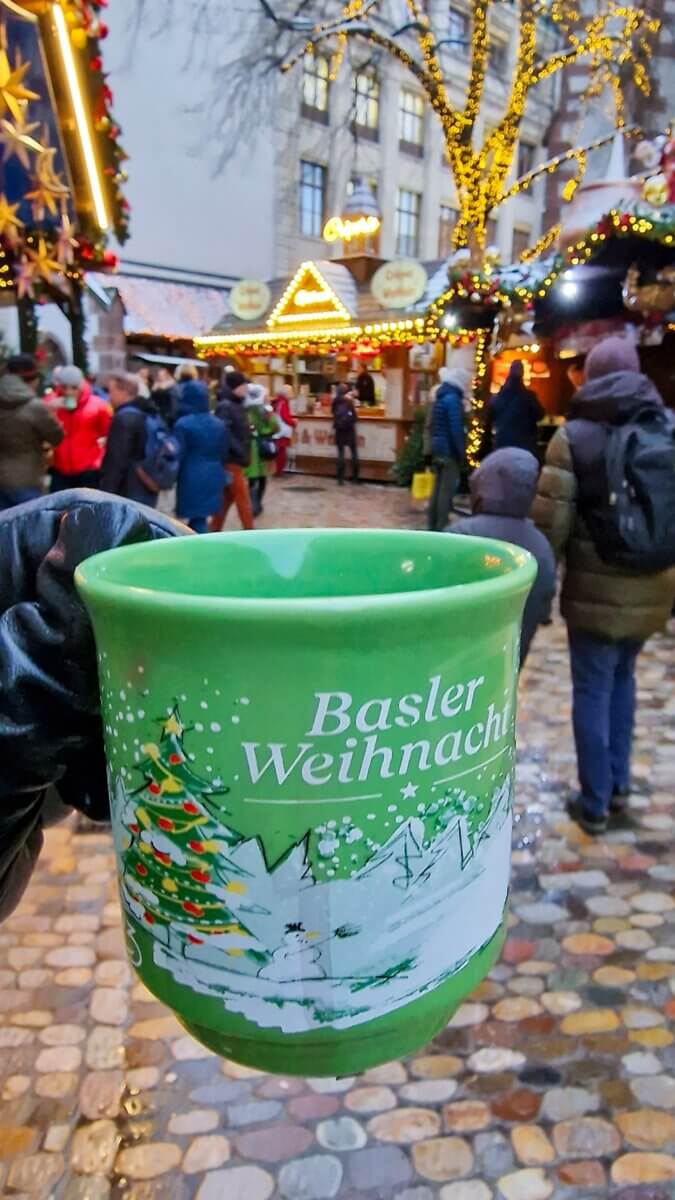
Many stalls at European Christmas markets serve hot drinks in souvenir mugs, usually in different colours with the town or city name and a cute Christmas design. When you order a drink, you pay a deposit of around €3–5 for the mug. You can return it to get the fee back, or keep it as a collectible, they make great little souvenirs.
Tip 8: Take a water bottle
Hopping between Christmas markets, sipping mulled wine, and sampling all the delicious food can make you thirsty, so definitely bring a water bottle with you. Buying bottled water at the stalls can get expensive.
Tip 9: Beware of pickpockets
Christmas markets can get very busy, especially on opening weekend and the weekends leading up to Christmas. While most European cities are generally safe, pickpockets can be an issue in bigger cities, so keep your belongings close and avoid putting anything valuable in your pockets.
Tip 10: Visit during the week
Christmas markets in Europe are almost always busier on weekends, and during the week the busiest time is in the evening since that is when people finish work and head out for food and drinks. The crowds build as December goes on, with the middle of the month through Christmas week being the busiest. Opening weekend can also feel packed since everyone wants to see the market as soon as it opens.
Big cities like Vienna, Munich, and Strasbourg tend to have the heaviest crowds, while smaller nearby towns are usually a bit calmer (unless it’s very popular like Riquewihr close to Strasbourg). Which is why we always suggest checking out the surrounding towns too.
If you’re visiting a big city market, take a quick train or rent a car to explore the smaller towns nearby; their markets are often quieter and have a really charming feel. Markets that stay open until New Year’s or early January are also noticeably quieter and easier to enjoy.
Tip 11: Keep track of the timetables
Check the opening and closing times so you can fit the market into your itinerary and make the most of daylight. While Christmas markets are magical at night, you can see all the details and decorations more clearly during the day and capture better photos.
Keep in mind that many places in Europe get dark early in winter, so check the local sunset time. Remember to stick around until the end to find out how we take the best nighttime photos and videos at the Christmas markets. Also make sure to double-check the dates for the markets you want to visit. Some of them close for good on the 23rd or 24th of December, so if you’re planning to visit over the Christmas holidays or New Year’s, you might find they’re no longer running.
By the way, we have a full video that walks you through our entire process of planning a Christmas market trip from start to finish. Definitely check it out if you’ve never done this before or if you want a few extra tips and hacks.
Tip 12: Check market maps in advance
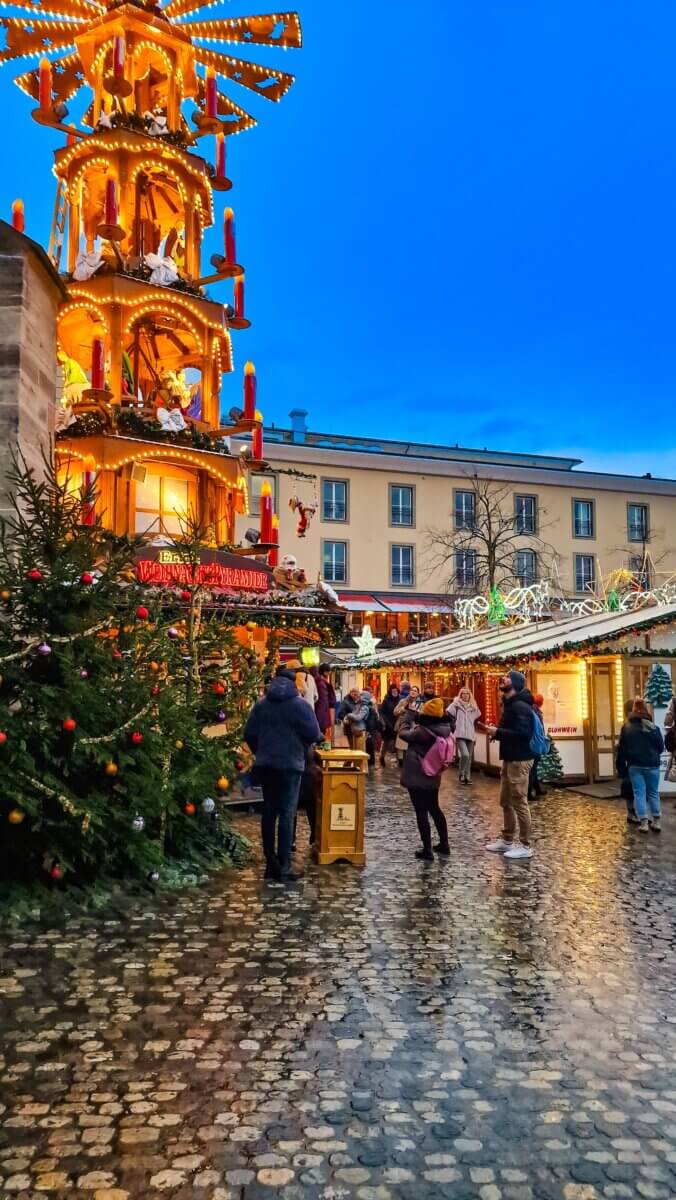
Christmas markets can get very busy, and with so many stalls, it can be overwhelming to decide which ones to visit first. That’s why it’s a good idea to do some research beforehand and have a plan. Many Christmas market websites provide maps showing all the stalls and whether they sell food or gifts. From there, you can explore other stalls, but at least you’ll make sure to visit the ones that matter most to you.
Tip 13: Visit the festive events
Check if there are any events worth seeing while you’re at the market. Many, especially the bigger ones, host concerts, Christmas caroling, tree-lighting ceremonies, workshops, and other activities. If you have kids, there are often special events just for them too. It’s worth visiting the market’s website beforehand to see what’s on and decide if there’s anything you’d like to attend.
Tip 14: Enjoy it and don’t rush
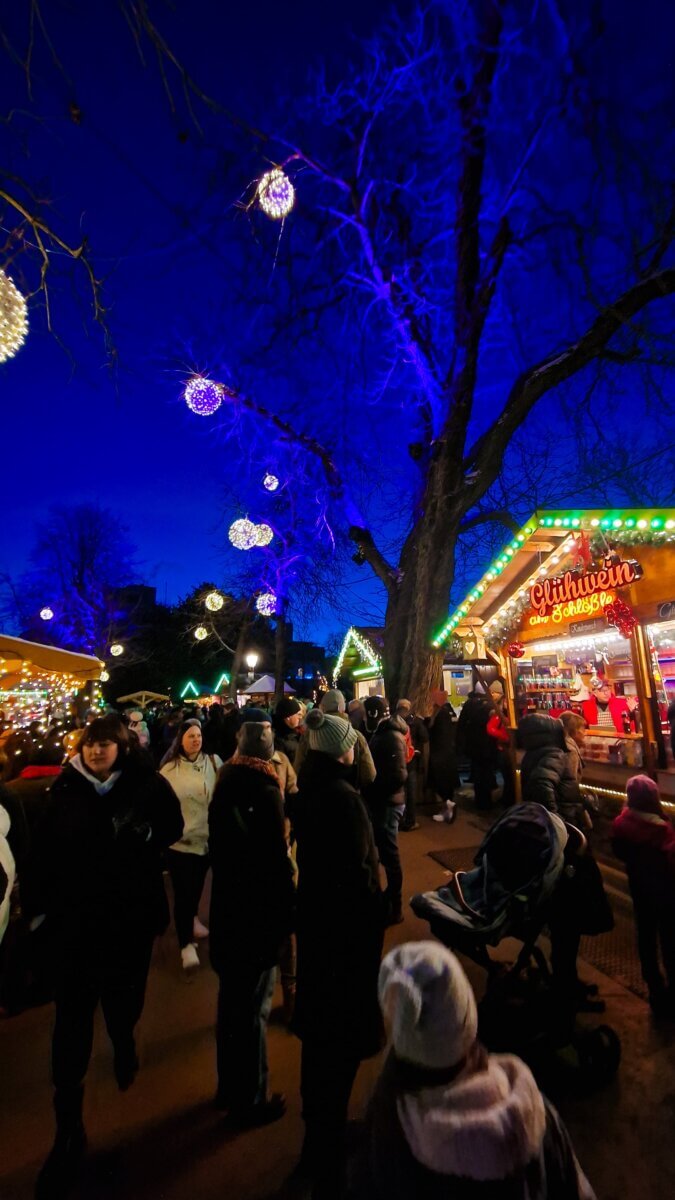
At the risk of sounding like a broken record, the markets can get really busy, and with all the excitement, so much food to try and stalls to explore, it’s easy to feel overwhelmed and forget to just enjoy the atmosphere. Try to go a little earlier if you can and don’t rush. Take your time, grab a hot cup of mulled wine, and stroll through the market to see what each one offers. Pick your favourites as you go, and then circle back to them at the end.
How to take the best nighttime photos & videos at Christmas Markets (Tip 15)
First, make sure to wipe your lens with something soft, as winter weather, condensation and greasy food can make it dirty quickly.
For photos, use night mode with a maximum of about 8 seconds for the best results. If night mode isn’t enough, try live mode. It helps keep shots sharper in low light by capturing a few frames and picking the clearest one. Turn off the flash, as it can make images look flat. Tap to focus and slightly reduce the brightness. It might sound counterintuitive, but lowering the brightness reduces noise from all the lights and makes editing easier, rather than trying to fix a photo that’s too bright and washed out.
For videos, set your phone to 4K instead of HD for the best quality, and use 60fps for smoother footage. Use the same tap to focus and lower brightness method.
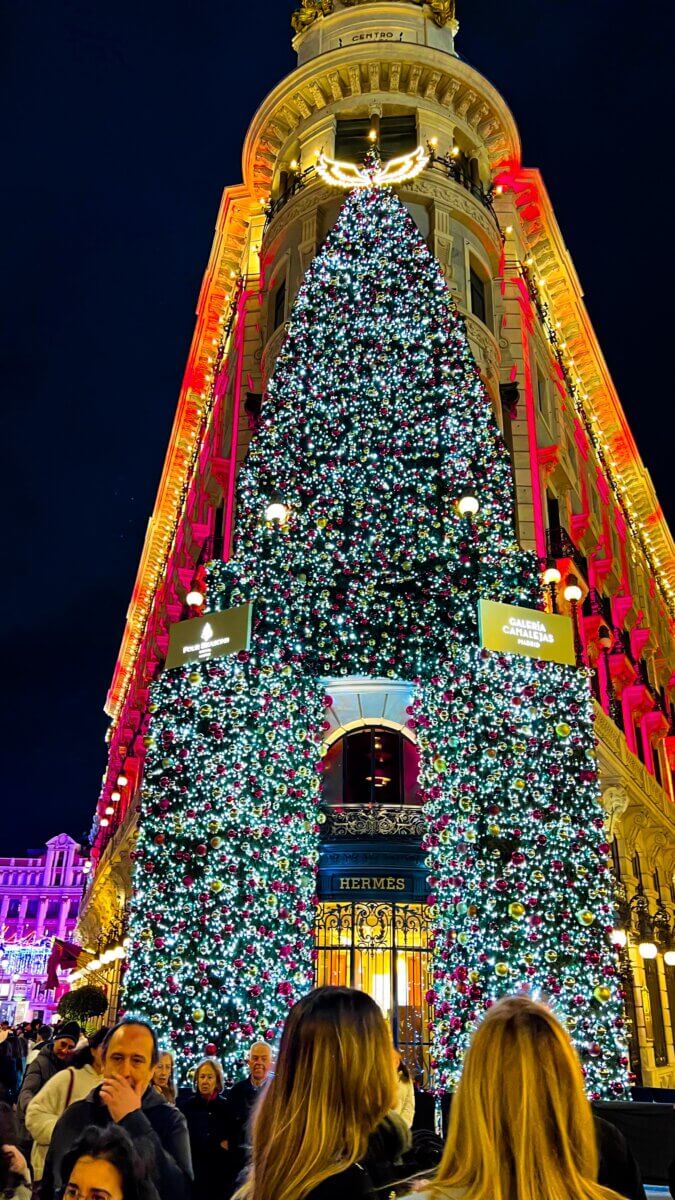
The ideal time for photos and videos is just after sunset, during blue hour, when the sky is still pretty and there’s enough light while the Christmas lights are already on.
Related reads you’ll love…
If you want to go even deeper with your planning, we’ve got a few posts that pair really well with this one. Before you do anything else, read our post on the exact steps we take when planning a Christmas market trip in Europe. You can check out the best apps you’ll actually use when visiting Europe, our guide to the top Christmas markets, a full list of things to do around Europe during the holidays, and our favourite tips for travelling Europe on a budget. Each one will help you plan smarter, save time, and make your trip feel a little easier.
Leave a Reply